

Read below my newsletter covering July 2026, which was sent on 8 August 2026.
You can sign up for future editions by clicking here.
Sgroliwch i lawr am y fersiwn Cymraeg.
Hello and welcome back to my newsletter. It is my first since Andy Burnham became Prime Minister.
My initial impression is that he seems dead set on getting the government to speak with a far more hopeful tone than we have been used to for a long time. That in itself is laudable.
So too is the immediate action taken on the cost of living, notably removing VAT from energy bills, cutting taxes for pubs, and announcing a £2 bus fare cap in England (meaning the Senedd will get an extra £25m to spend).
My column in the County Times this week speaks to this, arguing that while it will take a lot more to tackle the problems facing Montgomeryshire and Glyndŵr, it is certainly a welcome start. We should never underestimate the power of hope.
You can read the full article here.
Head North (and then West)
Few disagree that the Starmer government was hamstrung by the inability to communicate an optimistic narrative, backed up with a cohesive policy platform to match.
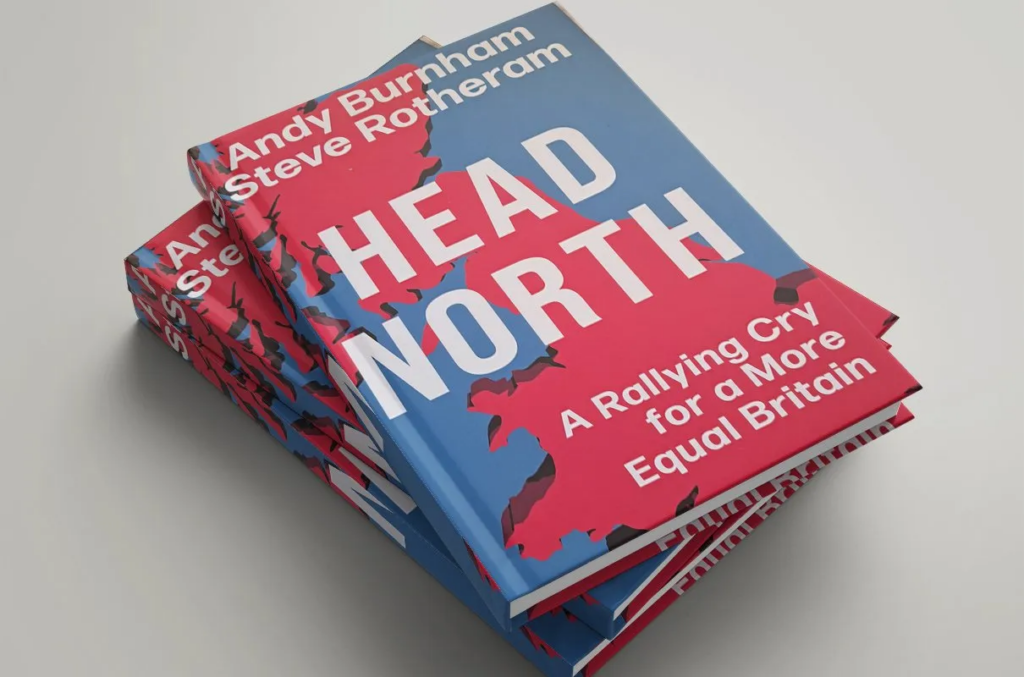
So, it is comparatively refreshing to be able to read a whole book of such policy ideas co-authored (alongside Mayor of the Liverpool City Region, Steve Rotheram) by our new Prime Minister, Head North, published in 2024 when he was the Mayor of Greater Manchester.
You must excuse the title, chosen as it was by two northern mayors. Their cities have certainly pioneered a new way of doing politics, but this should not lessen recognition of the contribution the devolved nations have made in doing the same. In Wales, we have used our powers to give us the second-best recycling rates in the world, to put the rights of future generations into law, to take a number of financial burdens off of people interacting with the health service – such as free prescriptions and free hospital parking – and far more than I have space to go into here. We have our problems, but find me a country which does not.
There is a lot in the book. So as to avoid boring you, dear reader, with an overwhelming wall of text, for this edition I will pick out just a few points (social care, housing, justice, and the green transition, looking at how the policies put forward relate to the Welsh context or – more importantly – the rural context, and how they impact us here in Montgomeryshire and Glyndŵr. Most of the other points in the book’s 10-point plan regard constitutional and electoral reform. I will save a discussion on those for a future edition.
Adult social care, publicly delivered
I am writing this section on the day that Andy Burnham has promised to fix adult social care in England (devolved, of course, in Wales – more on that very shortly). It is an issue which successive governments have failed to tackle for years. Here I must declare an interest, as one of my sisters is a carer. It is imperative that we treat carers and the cared-for with dignity. It is completely criminal that carers are paid so poorly. From a systemic point of view, it is also imperative that the pressures which adult social care puts on both the NHS and on local government are diverted. The best way to do this is to take the problem away completely through a publicly delivered service – a National Care Service.
A National Care Service would be free for all at the point of use, just as the NHS is. It is the model favoured in Head North, and the model put forward by the Brown government before it lost power in 2010 (with a certain Andy Burnham as health secretary). Welsh Labour had already started work on creating its own National Care Service in Wales, and our 2026 Senedd manifesto promised to complete that work. Now it will fall to Plaid, who also made a similar promise, to make social care a right for all. I sincerely hope they do.
If England succeeds in taking adult social care into public control, so that it is run for the benefit of the public, while Wales falls behind – despite us having an older, sicker, and poorer population – that would be a disaster for my constituents and add a new dimension to the problems we face with the delivery of cross-border healthcare.
With my own Father – living alone – having been diagnosed with dementia, Lewy body involvement and Parkinson’s disease within the last two years, I have had to navigate the care system in Wales myself. I firmly believe that, speaking from a position of previous-ignorance, it is one of those things that many people – in not having to deal with it – are blissfully unaware of how difficult it is.
Safe, affordable housing for all
Next up is housebuilding. It is good news that Angela Rayner, who grew up in a council house, is back as the Secretary of State for Housing, and will be responsible for delivering on Labour’s promise to build a new generation of homes for those who need them.
Here, there is something to be learned from Wales. In Head North, the authors criticise Thatcher’s Right to Buy policy, which empowered many working-class people to own their own homes, but came at the price of decimating the UK’s stock of council housing. It was not sufficiently replaced, reducing access to housing for every subsequent generation. Well, Wales scrapped Right to Buy completely in 2019. It is my hope that England shall now follow suit. That is not to say preventing existing stock from dwindling is enough, we must, of course, build more houses too.
The pressures stored up by the lack of council housing made policies like Local Housing Allowance (LHA) necessary. I have long campaigned to restore LHA, after it was brutally cut by the Conservative-Lib Dem coalition government and later Conservative governments. Only covering some 1% of private rental costs in Wales, it is now a policy-in-name-only.
One area where Westminster has moved ahead is in renters’ rights, a policy argued for in Head North which was put into law last year (the Renters’ Rights Act 2025). Crucially, England now has a ban on no-fault evictions, whereas this is still legal in Wales under our own 2016 act. Plaid has the power to fix this. It should do so. Wales is now the least progressive UK home nation in this area.
Justice for victims of state coverups
Another one from Head North which has already been achieved is the Hillsborough Law, something Burnham (and Steve Rotheram, Ian Byrne MP, and more than anyone the victims’ families themselves, in addition to many others) worked to put on the statute book for years.
I was sat right next to my friend and colleague Ian in the Chamber as the bill passed just a few weeks ago. As the parliamentary lead for the Hillsborough Law Now campaign, he gave an incredibly powerful speech.
Public officials, including intelligence officers and the police, will now have a “duty of candour” requiring them to tell the truth when scandals inevitably occur. Victims will also now receive full legal funding so they can be properly represented at inquests. Just to keep in with the Head North theme, a quote from the section on the Hillsborough Law:
“Nuclear test veterans. Aberfan. Bloody Sunday. Shrewsbury. Contaminated blood. Primodos. Orgreave. Hillsborough. Post Office. Windrush. Grenfell. Different scandals from different decades but a list that bears witness to three uncomfortable facts: how easy it is for agents of the British state to cover up; how difficult it is for ordinary people to secure justice and how not enough has been done to break this pattern. It’s a depressing list and by no means exhaustive.”
And so, I would add Newtown’s Ysgol Robert Owen to that depressing list. Those staff, pupils, and parents are still yet to be told the full truth.
It is always the little people that are made to wear the guilt and bear the trauma and who are routinely gaslit by those lucky enough to be in positions of power. Twas ever thus.
Now the victims of state cover-ups have a legal route to real justice. I am immensely proud that this was passed into law under a Labour government.
A fair transition to a decarbonised economy
Another quote from Head North, on the green transition:
“If you improve public transport and introduce zero emission buses, you incentivise people to give up their cars. The improvements in air quality would relieve pressure on the NHS because fewer people would suffer with respiratory diseases. If you make homes more energy efficient, you incentivise people to use less energy and they will have cheaper bills. If you transition away from fossil fuels in energy intensive industries, you reduce carbon emissions but also create new and innovative jobs.”
Buses again! I know what the likely comeback from constituents will be, because I am sure I will have had exactly the same reaction. We can barely keep our rural towns and villages connected by public transport as it is – which is why nearly everyone around here drives – now you want to spend money we do not have on electrifying everything too (of course, transport is devolved to the Senedd, but I am using buses to make a broader point on policy here).
It is a fair argument, public transport in Mid and North Wales is nowhere near good enough. I obviously agree. Whenever I hear this argument, however, I have to confess I despair at the pessimism. Why can we not both improve public transport and decarbonise it at the same time? Is our ambition really that low?
Electric vehicles are more expensive up-front, but they are far cheaper to run. They are also less polluting and carbon-emitting, making the world that little bit safer for future generations. It is a virtuous cycle.
As the late, great Terry Pratchett famously wrote, anyone who has bought a cheap pair of boots looking to save some cash will know, you end up spending more in the long run when they inevitably fall apart. I’ve been there; you can’t afford the expensive pair in the first place.
You can apply that rule to a lot of things in life. It is not exactly news – this is how the poor stay poor. But it is a good metaphor for the problem facing the government. We must do everything we can to make decisions for the long-term rather than the short-term, or else we will continue to stagnate.
At its core, this is what the green transition is about. It is the necessary futureproofing of the economy. Investment to create well-paying green jobs will offset losses in carbon-intensive industries, which are in decline regardless of whatever the government does, because global economic actors recognise that decarbonising simply makes economic sense.
And finally, it is necessary that we get the green transition right because the resilience of our economy is dependent on lowering the cost of energy in the long term. That is crucial for households, for industry, for motorists, for workers, for everyone.
While fossil fuels will absolutely continue to play a part in our energy mix for a long time, we cannot rely on an inherently volatile commodity to reliably drive down costs. I am glad the new Prime Minister recognises this.
That is all for this month. The next edition will go out just before the start of the new parliamentary term, so I am sure I will have a lot to say about that, as well as a recap on my summer spent in the constituency.
With every good wish, Steve
Helo a chroeso yn ôl i fy nghylchlythyr. Dyma’r cyntaf ers i Andy Burnham ddod yn Brif Weinidog. Fy argraff gyntaf yw ei fod yn benderfynol iawn o sicrhau bod y llywodraeth yn siarad mewn tôn sy’n llawer mwy llawn gobaith nag yr ydym wedi arfer â hi ers amser maith. Mae hynny ynddo’i hun yn ganmoladwy.
Yr un mor ganmoladwy yw’r camau gweithredu ar unwaith ynghylch costau byw, yn enwedig cael gwared ar TAW ar filiau ynni, torri trethi i dafarnau, a chyhoeddi cap o £2 ar brisiau bysiau yn Lloegr (sy’n golygu y bydd y Senedd yn cael £25m ychwanegol i’w wario).
Mae fy ngholofn yn y County Times yr wythnos hon yn trafod hyn, gan ddadlau, er y bydd angen llawer mwy i fynd i’r afael â’r problemau sy’n wynebu Maldwyn a Glyndŵr, ei fod yn sicr yn ddechrau da. Ni ddylem byth danbrisio pŵer gobaith.
Gallwch ddarllen yr erthygl lawn yma.
Head North (ac yna i’r Gorllewin)
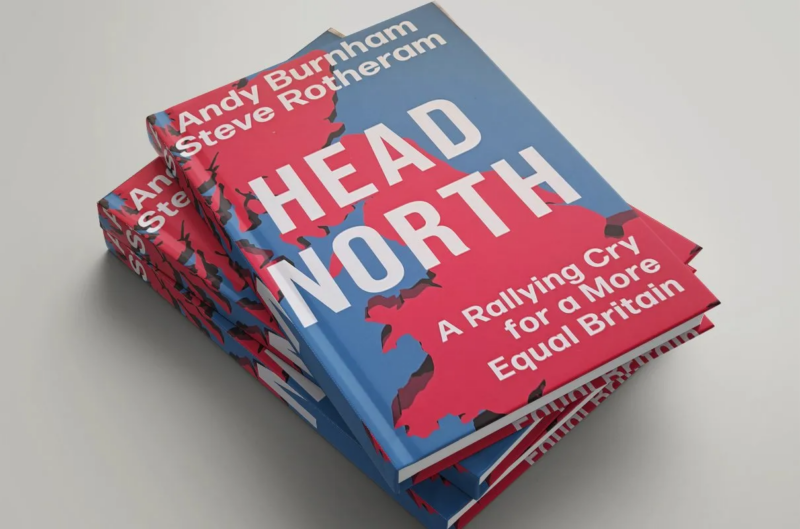
Prin yw’r rhai sy’n anghytuno bod llywodraeth Starmer wedi’i rhwystro gan yr anallu i gyfleu naratif optimistaidd, wedi’i gefnogi gan blatfform polisi cydlynol i gyd-fynd ag ef. Felly, mae’n eithaf adfywiol gallu darllen llyfr cyfan gyda syniadau polisi o’r fath a gyd-ysgrifennwyd (ynghyd â Maer Rhanbarth Dinas Lerpwl, Steve Rotheram) gan ein Prif Weinidog newydd – Head North, a gyhoeddwyd yn 2024 pan oedd yn Faer Manceinion.
Rhaid maddau’r teitl, a ddewiswyd gan ddau faer o’r gogledd. Yn sicr, mae eu dinasoedd wedi arloesi ffordd newydd o wneud gwleidyddiaeth, ond ni ddylai hynny leihau’r gydnabyddiaeth o’r cyfraniad y mae’r cenhedloedd datganoledig wedi’i wneud wrth wneud yr un peth. Yng Nghymru, rydym wedi defnyddio ein pwerau i sicrhau’r ail gyfraddau ailgylchu gorau yn y byd, i ymgorffori hawliau cenedlaethau’r dyfodol yn y gyfraith, i ddileu nifer o feichiau ariannol oddi ar bobl sy’n defnyddio’r gwasanaeth iechyd – fel presgripsiynau am ddim a pharcio am ddim mewn ysbytai – a llawer mwy nag y mae gennyf le i’w drafod yma. Mae gennym ein problemau, ond rhowch enghraifft o wlad lle does dim.
Mae llawer yn y llyfr. Er mwyn peidio â’ch diflasu, annwyl ddarllenydd, â wal enfawr o destun, ar gyfer y rhifyn hwn byddaf yn dewis ychydig o bwyntiau yn unig (gofal cymdeithasol, tai, cyfiawnder, a’r trawsnewid gwyrdd), gan edrych ar sut mae’r polisïau a gynigir yn berthnasol i gyd-destun Cymru neu – yn bwysicach – y cyd-destun gwledig, a sut maent yn effeithio arnom yma ym Maldwyn a Glyndŵr.
Mae’r rhan fwyaf o’r pwyntiau eraill yng nghynllun 10 pwynt y llyfr yn ymwneud â diwygio cyfansoddiadol ac etholiadol. Byddaf yn cadw trafodaeth ar y rhain ar gyfer rhifyn yn y dyfodol.
Gofal cymdeithasol i oedolion, a ddarperir yn gyhoeddus
Rwy’n ysgrifennu’r adran hon ar y diwrnod y mae Andy Burnham wedi addo datrys mater gofal cymdeithasol i oedolion yn Lloegr (mater datganoledig, wrth gwrs, yng Nghymru – mwy am hynny yn fuan iawn). Mae’n fater y mae llywodraethau olynol wedi methu â mynd i’r afael ag ef ers blynyddoedd.
Yma rhaid i mi ddatgan buddiant, gan fod un o fy chwiorydd yn ofalwr. Mae’n hollbwysig ein bod yn trin gofalwyr a’r rhai sy’n derbyn gofal gydag urddas. Mae’n gwbl warthus bod gofalwyr yn cael eu talu mor wael. O safbwynt systemig, mae hefyd yn hollbwysig lliniaru’r pwysau y mae gofal cymdeithasol i oedolion yn eu rhoi ar y GIG ac ar lywodraeth leol. Y ffordd orau o wneud hyn yw datrys y broblem yn llwyr drwy wasanaeth a ddarperir yn gyhoeddus – Gwasanaeth Gofal Cenedlaethol.
Byddai Gwasanaeth Gofal Cenedlaethol yn rhad ac am ddim i bawb wrth y pwynt defnydd, yn union fel y GIG. Dyma’r model a ffafrir yn Head North, a’r model a gynigiwyd gan lywodraeth Brown cyn iddi golli grym yn 2010 (gyda rhywun o’r enw Andy Burnham yn Ysgrifennydd Iechyd).
Roedd Llafur Cymru eisoes wedi dechrau gweithio ar greu ei Wasanaeth Gofal Cenedlaethol ei hun yng Nghymru, ac roedd ein maniffesto Senedd ar gyfer 2026 yn addo cwblhau’r gwaith hwnnw. Nawr, bydd yn syrthio i Plaid – a wnaeth addewid tebyg hefyd – i wneud gofal cymdeithasol yn hawl i bawb. Rwy’n mawr obeithio y gwnânt hynny.
Pe bai Lloegr yn llwyddo i ddod â gofal cymdeithasol i oedolion dan reolaeth gyhoeddus, fel ei fod yn cael ei redeg er les y cyhoedd, tra bod Cymru yn llusgo ar ôl – er gwaethaf y ffaith bod gennym boblogaeth hŷn, tlotach ac un sy’n dioddef mwy o afiechyd – byddai hynny’n drychineb i’m hetholwyr ac yn ychwanegu dimensiwn newydd at y problemau rydym yn eu hwynebu o ran darparu gofal iechyd ar draws y ffin.
Gan fod fy nhad fy hun – sy’n byw ar ei ben ei hun – wedi cael diagnosis o ddementia LBD a chlefyd Parkinson yn ystod y ddwy flynedd ddiwethaf, bu’n rhaid i mi lywio’r system ofal yng Nghymru fy hun. Credaf yn gryf – gan siarad o safle lle nad oeddwn yn gwybod dim am y peth o’r blaen – ei fod yn un o’r pethau hynny nad yw llawer o bobl, gan nad oes rhaid iddynt ddelio ag ef, yn ymwybodol o gwbl o ba mor anodd ydyw.
Tai diogel a fforddiadwy i bawb
Yn nesaf, mae mater adeiladu tai. Mae’n newyddion da bod Angela Rayner – a fagwyd mewn tŷ cyngor – yn ôl fel Ysgrifennydd Gwladol dros Dai, a’i bod hi’n gyfrifol am gyflawni addewid y Blaid Lafur i adeiladu cenhedlaeth newydd o gartrefi ar gyfer y rhai sydd eu hangen arnynt.
Yma, mae gwers i’w dysgu o Gymru. Yn y llyfr Head North, mae’r awduron yn beirniadu polisi ‘Hawl i Brynu’ Thatcher; er i’r polisi hwnnw alluogi llawer o bobl o’r dosbarth gweithiol i fod yn berchen ar eu cartrefi eu hunain, arweiniodd at ddinistrio stoc tai cyngor y DU i raddau helaeth. Ni chafodd y tai hynny eu disodli’n ddigonol, gan leihau mynediad at dai i bob cenhedlaeth ddilynol. Wel, diddymodd Cymru’r ‘Hawl i Brynu’ yn llwyr yn 2019. Fy ngobaith yw y bydd Lloegr yn dilyn yr un patrwm nawr. Nid yw hynny’n golygu bod atal y stoc bresennol rhag leihau yn ddigon; wrth gwrs, rhaid i ni adeiladu mwy o dai hefyd.
Gwnaeth y pwysau a gronnwyd oherwydd y diffyg tai cyngor wneud polisïau fel y Lwfans Tai Lleol (LHA) yn angenrheidiol. Rwyf wedi ymgyrchu ers amser maith i adfer yr LHA, ar ôl iddo gael ei dorri’n greulon gan lywodraeth glymblaid y Ceidwadwyr a’r Democratiaid Rhyddfrydol a chan lywodraethau Ceidwadol dilynol. Gan mai dim ond tua 1% o gostau rhentu preifat yng Nghymru y mae’n ei dalu, mae bellach yn bolisi ar bapur yn unig.
Un maes lle mae San Steffan wedi symud ymlaen yw hawliau tenantiaid – polisi y dadleuwyd o’i blaid yn Head North ac a ddaeth yn gyfraith y llynedd (Deddf Hawliau Tenantiaid 2025). Yn hollbwysig, mae gwaharddiad bellach yn Lloegr ar droi tenantiaid allan heb fai, tra bod hyn yn dal yn gyfreithlon yng Nghymru o dan ein Deddf ni o 2016. Mae gan Blaid y pŵer i unioni hyn. Dylai wneud hynny. Cymru bellach yw’r genedl leiaf blaengar yn y DU yn y maes hwn.
Cyfiawnder gyda Deddf Hillsborough
Un arall o’r nodau gan Head North sydd eisoes wedi’i gyflawni yw Deddf Hillsborough, peth y gweithiodd Burnham (a Steve Rotheram, yr AS Ian Byrne, ac yn anad dim teuluoedd y dioddefwyr eu hunain, yn ogystal â llawer o rai eraill) i’w sefydlu yn gyfraith dros nifer o flynyddoedd.
Roeddwn i’n eistedd yn union wrth ymyl fy ffrind a’m cydweithiwr Ian yn y Siambr pan basiwyd y bil dim ond ychydig wythnosau’n ôl. Fel yr arweinydd seneddol ar gyfer ymgyrch ‘Hillsborough Law Now’, traddododd araith hynod bwerus.
Bydd gan swyddogion cyhoeddus, gan gynnwys swyddogion cudd-wybodaeth a’r heddlu, “ddyletswydd i fod yn onest” bellach, sy’n eu gorfodi i ddweud y gwir pan fydd sgandalau’n codi. Bydd dioddefwyr hefyd yn cael cyllid cyfreithiol llawn bellach, er mwyn iddynt gael eu cynrychioli’n briodol mewn cwestau.
Er mwyn cadw at thema Head North, dyma ddyfyniad o’r adran ar Ddeddf Hillsborough:
“Nuclear test veterans. Aberfan. Bloody Sunday. Shrewsbury. Contaminated blood. Primodos. Orgreave. Hillsborough. Post Office. Windrush. Grenfell. Different scandals from different decades but a list that bears witness to three uncomfortable facts: how easy it is for agents of the British state to cover up; how difficult it is for ordinary people to secure justice and how not enough has been done to break this pattern. It’s a depressing list and by no means exhaustive.”
Felly, byddwn i’n ychwanegu Ysgol Robert Owen yn y Drenewydd at y rhestr ddigalon honno. Nid yw’r staff, y disgyblion a’r rhieni wedi cael gwybod y gwirionedd llawn eto.
Y bobl gyffredin sy’n gorfod ysgwyddo’r euogrwydd a’r trawma, ac sy’n cael eu trin yn gyson mewn ffordd sy’n gwneud iddynt amau eu synhwyrau eu hunain gan y rhai sy’n ddigon ffodus i fod mewn swyddi o rym. Dyna sut mae pethau wedi bod erioed.
Bellach, mae gan ddioddefwyr ffordd gyfreithiol at gyfiawnder go iawn. Rwy’n hynod falch i hyn gael ei ddeddfu o dan lywodraeth Lafur.
Pontio teg i economi ddi-garbon
Dyfyniad arall o Head North, ynghylch y trawsnewidiad gwyrdd:
“If you improve public transport and introduce zero emission buses, you incentivise people to give up their cars. The improvements in air quality would relieve pressure on the NHS because fewer people would suffer with respiratory diseases. If you make homes more energy efficient, you incentivise people to use less energy and they will have cheaper bills. If you transition away from fossil fuels in energy intensive industries, you reduce carbon emissions but also create new and innovative jobs.”
Bysiau eto! Gwn beth fydd ymateb tebygol yr etholwyr, oherwydd rwy’n siŵr y byddwn i wedi cael yr un ymateb yn union. Prin y gallwn gadw ein trefi a’n pentrefi gwledig yn gysylltiedig â thrafnidiaeth gyhoeddus fel y mae pethau – a dyna pam mae bron pawb yn yr ardal hon yn gyrru – ac yn awr rydych chi am wario arian nad oes gennym ar drydaneiddio popeth hefyd (wrth gwrs, mae trafnidiaeth wedi’i datganoli i’r Senedd, ond rwy’n defnyddio bysiau i wneud pwynt ehangach am bolisi yma).
Mae’n ddadl deg; nid yw trafnidiaeth gyhoeddus yng nghanol a gogledd Cymru yn ddigon da o bell ffordd. Rwyf wrth gwrs yn cytuno. Fodd bynnag, pryd bynnag y clywaf y ddadl hon, rhaid i mi gyfaddef fy mod yn digalonni oherwydd y pesimistiaeth. Pam na allwn ni wella trafnidiaeth gyhoeddus a’i dadgarboneiddio ar yr un pryd? A yw ein huchelgais wir mor isel â hynny?
Mae cerbydau trydan yn ddrutach i’w prynu i ddechrau, ond maent yn llawer rhatach i’w rhedeg. Maent hefyd yn achosi llai o lygredd ac yn allyrru llai o garbon, gan wneud y byd ychydig yn fwy diogel i genedlaethau’r dyfodol. Mae’n gylch rhinweddol.
Mae ‘Damcaniaeth Boots ynghylch annhegwch economaidd-gymdeithasol – term a fathwyd gan Syr Terry Pratchett yn ei nofel Men at Arms – yn defnyddio cost esgidiau i egluro pam ei bod mor ddrud i fod yn dlawd. Bydd unrhyw un sydd wedi prynu pâr rhad o esgidiau yn ceisio arbed ychydig o arian yn gwybod eich bod yn y pen draw yn gwario mwy pan fyddant yn anochel yn cwympo’n ddarnau. Rwyf wedi bod yn y sefyllfa honno fy hun; ni allwch fforddio’r pâr drud yn y lle cyntaf.
Gallwch gymhwyso’r rheol honno i lawer o bethau mewn bywyd. Nid yw’n newyddion o gwbl – dyma sut mae’r tlawd yn aros yn dlawd. Ond mae’n drosiad da ar gyfer y broblem sy’n wynebu’r llywodraeth. Rhaid i ni wneud popeth a allwn i wneud penderfyniadau ar gyfer y tymor hir yn hytrach na’r tymor byr, neu fel arall byddwn yn parhau i farweiddio.
Yn ei hanfod, dyma ystyr y trawsnewid gwyrdd. Mae’n ymwneud â sicrhau bod yr economi’n barod ar gyfer y dyfodol, fel sy’n angenrheidiol. Bydd buddsoddiad i greu swyddi gwyrdd â chyflogau da yn gwrthbwyso’r colledion mewn diwydiannau sy’n dibynnu’n drwm ar garbon – diwydiannau sydd beth bynnag ar drai, waeth beth a wna’r llywodraeth, gan fod chwaraewyr economaidd byd-eang yn cydnabod bod dadgarboneiddio yn gwneud synnwyr economaidd.
Ac yn olaf, mae’n hanfodol ein bod yn cyflawni’r trawsnewid gwyrdd yn iawn, oherwydd mae gwydnwch ein heconomi yn dibynnu ar ostwng costau ynni yn y tymor hir. Mae hynny’n hollbwysig i aelwydydd, i ddiwydiant, i yrwyr, i weithwyr ac i bawb.
Er y bydd tanwyddau ffosil yn parhau i chwarae rhan yn ein cymysgedd ynni am amser hir, ni allwn ddibynnu ar nwydd sy’n ansefydlog yn ei natur i ostwng costau’n ddibynadwy. Rwy’n falch bod y Prif Weinidog newydd yn cydnabod hyn.
Dyna’r cyfan am y mis hwn. Bydd y rhifyn nesaf yn cael ei anfon allan ychydig cyn dechrau’r tymor seneddol newydd, felly rwy’n siŵr y bydd gennyf lawer i’w ddweud am hynny, yn ogystal ag adolygiad o’m haf yn yr etholaeth.
Gyda phob dymuniad da, Steve